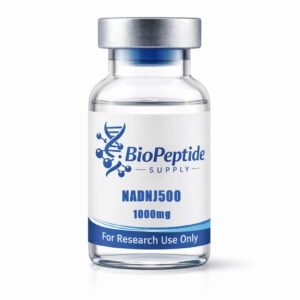
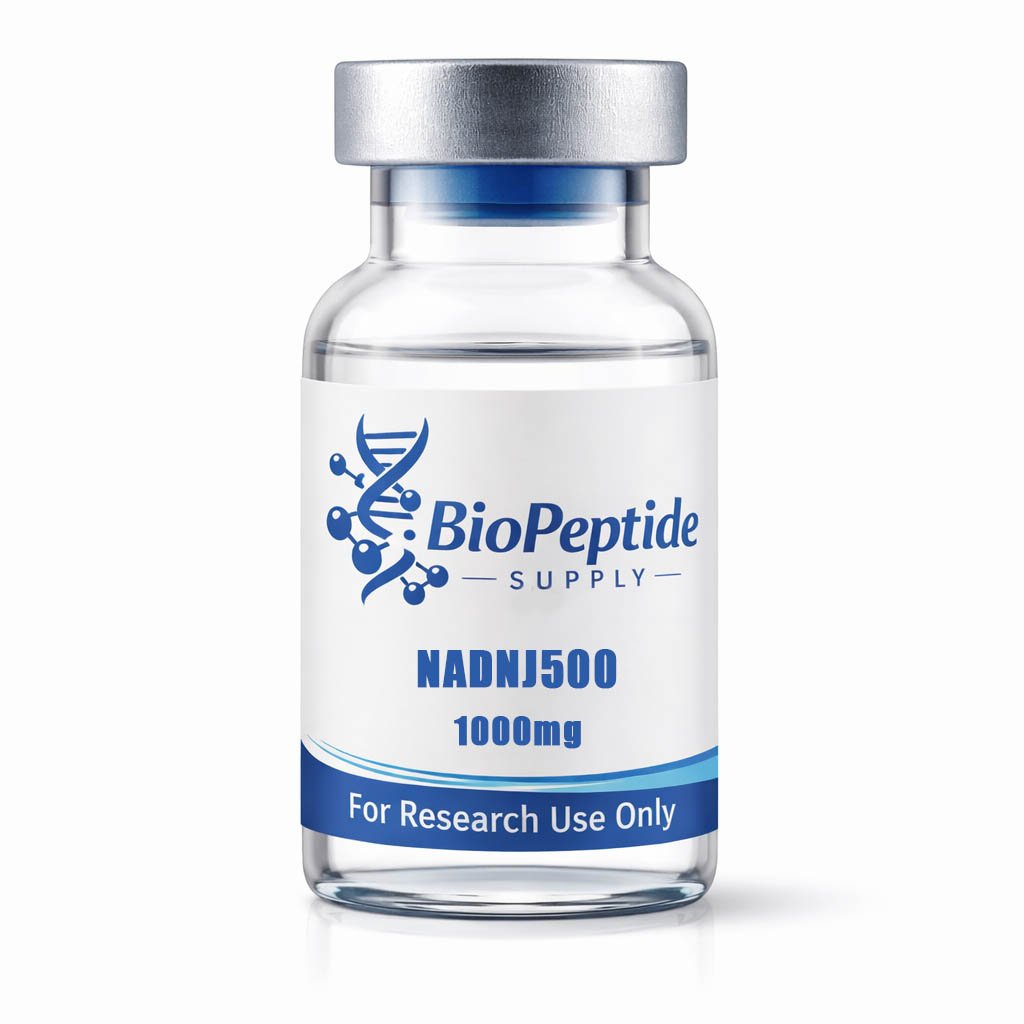
NAD+ (NMN/NAD Booster) 500mg – Cellular Energy and Longevity Research Compound
Overview and Scientific Background
NAD+ 100mg appears to reference a NAD+ precursor / NAD booster research compound, commonly associated with Nicotinamide Adenine Dinucleotide (NAD⁺) pathway support and related molecules such as NMN (Nicotinamide Mononucleotide) or nicotinamide-based derivatives.
In research biology, NAD⁺ is a critical coenzyme found in all living cells and plays a central role in cellular energy production, mitochondrial function, and DNA repair processes. NAD levels naturally decline with age, which is why NAD-related compounds are widely studied in aging and metabolic science.
Real-World Research and Experimental Findings
Scientific research on NAD⁺ and its precursors is extensive, including cellular, animal, and early human studies. Key findings include:
- Support for mitochondrial energy production (ATP synthesis)
- Association with DNA repair enzyme activity (PARP pathways)
- Influence on sirtuin activation (SIRT1–SIRT7 longevity pathways)
- Improved metabolic efficiency and oxidative stress response in models
- Potential role in cellular aging and neuroprotection research
These findings make NAD-related compounds a major focus in longevity and metabolic science.
Mechanism of Action
NAD-related compounds function by increasing intracellular NAD⁺ availability, which supports several essential biological processes:
- Mitochondrial energy metabolism: Enhances ATP production efficiency
- Sirtuin activation: Supports gene regulation linked to cellular aging and repair
- DNA repair pathways: Assists enzymes involved in genomic stability
- Redox balance regulation: Maintains cellular oxidation-reduction balance
- Metabolic signaling: Influences glucose and lipid metabolism pathways
This multi-system role makes NAD⁺ central to cellular health research.
Pharmacokinetics and Biological Activity
NAD-related compounds are studied for their ability to influence intracellular coenzyme levels through metabolic conversion pathways. Depending on the precursor used, bioavailability and conversion efficiency into NAD⁺ varies across models.
Observed research trends include:
- Increased cellular energy output in mitochondrial studies
- Improved stress resistance in cellular models
- Enhanced metabolic efficiency in animal research
- Support for DNA repair activity under oxidative stress conditions
Why NADNJ500 100mg Is Used in Research
NAD-based compounds at research dosages such as 100mg are commonly used to evaluate:
- Cellular energy metabolism and mitochondrial function
- Aging-related biochemical pathway activity
- DNA repair and genomic stability mechanisms
- Neurodegenerative and metabolic disorder models
They are widely studied in longevity science, metabolic research, and cellular bioenergetics.
Usage Guidance
NADNJ500 100mg is intended strictly for controlled laboratory and scientific research use. All experimental design, handling, and administration must be conducted by qualified researchers in appropriate research environments.
FAQs
1. What is NAD used for in research?
It is studied for cellular energy production, DNA repair, and aging-related mechanisms.
2. What does NAD do in the body?
It supports mitochondrial energy production and enzyme activity involved in repair processes.
3. Is NAD a vitamin?
It is derived from NAD+ 100mg(niacin) but functions as a critical cellular coenzyme.
4. Why do researchers study NAD levels?
Because NAD declines with age and is linked to metabolic and cellular aging processes.
5. Does NAD affect energy levels?
Yes, it plays a central role in ATP (cellular energy) production.
6. What are sirtuins?
They are NAD-dependent enzymes linked to gene regulation and cellular longevity.
7. Is NAD used in human therapy?
It is under research; some derivatives are studied in clinical settings, but not universally approved.
8. Why is the 100mg dose studied?
It is used in experimental models to evaluate metabolic and cellular response levels.
9. What systems does NAD affect?
Mitochondrial, metabolic, neurological, and DNA repair systems.
10. Is NAD a drug?
No, it is a research compound and biological coenzyme, not a standalone approved drug.
Disclaimer
All products listed are intended strictly for research purposes only. They are not approved for human consumption, medical use, or therapeutic application. Use must comply with all applicable laws and regulations.