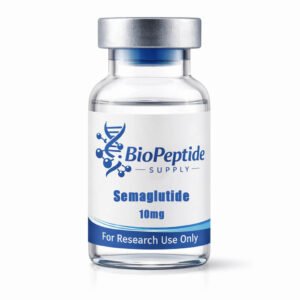
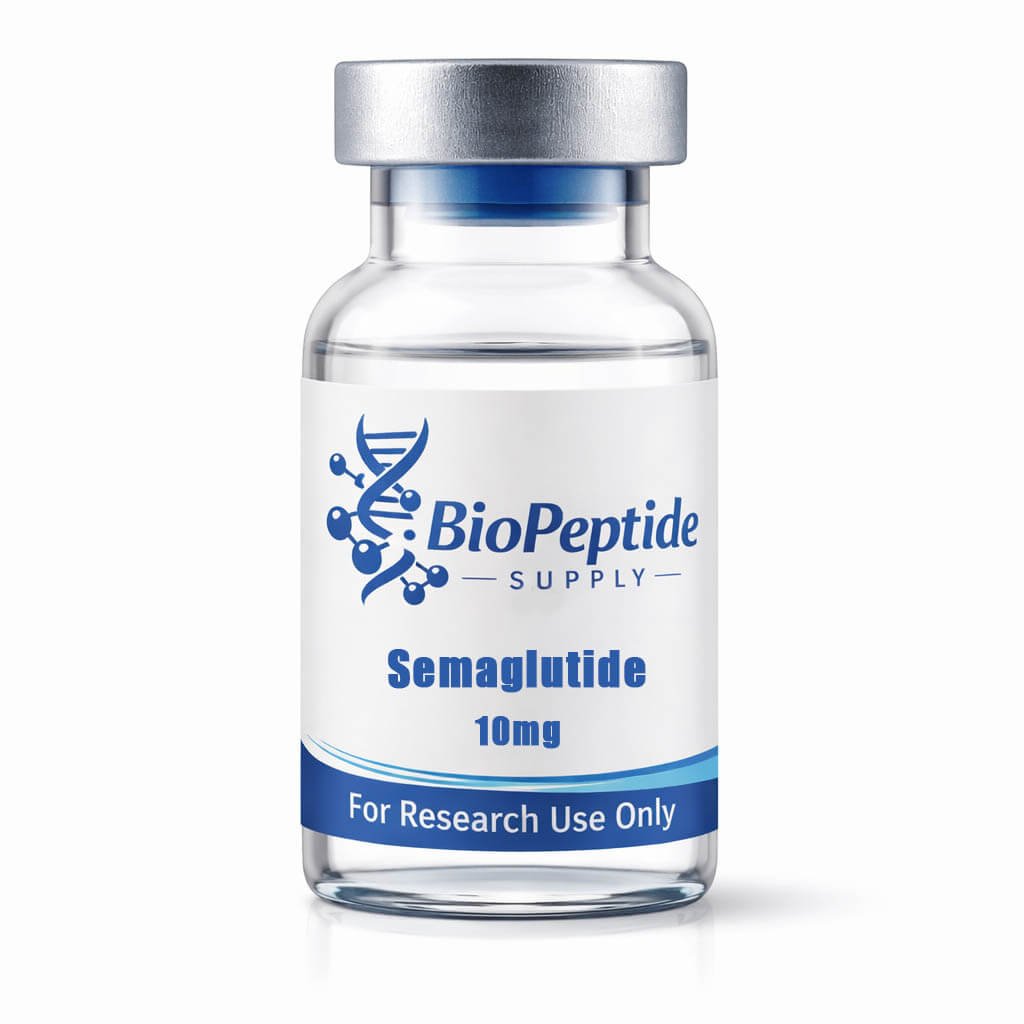
Semaglutide 10mg – Maximum-Strength GLP-1 Analog for Advanced Metabolic and Obesity Research
Overview and Scientific Background
Semaglutide 10mg represents a high-concentration format of one of the most extensively studied GLP-1 receptor agonists in modern metabolic research. Developed by Novo Nordisk, semaglutide is designed to mimic the natural glucagon-like peptide-1 hormone, which regulates appetite, slows gastric emptying, and enhances insulin secretion in response to food intake.
This mechanism is not theoretical—it is supported by large-scale clinical programs and real-world use. Semaglutide has become a reference compound in obesity and metabolic studies due to its consistent and measurable physiological effects.
Real-World Clinical Data and Outcomes
Clinical trials provide strong evidence of semaglutide’s impact. In the STEP (Semaglutide Treatment Effect in People with obesity) program, participants using semaglutide at therapeutic doses (2.4 mg weekly) achieved an average body weight reduction of approximately 15% over 68 weeks. A significant number of participants exceeded 20% weight loss under structured conditions, which is considered a breakthrough in pharmacological weight management.
Additionally, studies involving individuals with type 2 diabetes have shown notable reductions in HbA1c levels, improved fasting glucose, and enhanced insulin sensitivity. These outcomes demonstrate semaglutide’s dual role in both weight regulation and glycemic control, making it highly relevant in metabolic and cardiovascular research.
High-Dose Research Applications
Transitioning to advanced research applications, Semaglutide 10mg allows for exploration beyond standard clinical dosing. While not used in approved therapeutic protocols at this level, this higher concentration is valuable in controlled environments for studying dose-response relationships, receptor saturation, and long-term metabolic adaptations.
Researchers also investigate its effects on central appetite regulation, particularly within the hypothalamus, where GLP-1 receptor activation reduces hunger signals and influences energy balance. This makes it a key compound in both physiological and behavioral metabolic research.
Pharmacokinetics and Mechanism of Action
Semaglutide has a long half-life of approximately 7 days, enabling sustained receptor activation and stable plasma levels. This extended duration is critical for maintaining consistent experimental conditions, especially in long-term studies.
Its mechanism includes:
- Activation of GLP-1 receptors in the brain to reduce appetite
- Delayed gastric emptying to prolong satiety
- Glucose-dependent insulin secretion to improve glycemic control
These combined effects explain why semaglutide continues to lead in metabolic research innovation.
Why Semaglutide 10mg Stands Out
Semaglutide 10mg provides a high-potency option for advanced experimental protocols. While lower doses already demonstrate strong clinical efficacy, this format supports deeper investigation into metabolic thresholds and physiological limits.
Research consistently highlights reduced caloric intake, improved metabolic markers, and sustained weight-related outcomes. These findings are supported by peer-reviewed studies and real-world clinical data, reinforcing its authority in the field.
Usage Guidance
Semaglutide 10mg is intended strictly for laboratory and research use. Study design, dosing protocols, and administration should be determined based on specific research objectives within controlled environments.
FAQs
1. What is Semaglutide 10mg used for in research?
It is used to study high-dose effects on appetite regulation, weight management, and metabolic function.
2. What clinical data supports semaglutide?
The STEP trials showed around 15% average weight loss at therapeutic doses over 68 weeks.
3. Why is a 10mg version used?
It allows researchers to explore higher-dose effects and receptor saturation.
4. How does semaglutide reduce appetite?
It activates GLP-1 receptors in the brain, reducing hunger and increasing satiety.
5. Does it improve blood sugar control?
Yes, it enhances insulin secretion and lowers blood glucose levels in studies.
6. How long does semaglutide remain active?
It has a half-life of about one week.
7. Is semaglutide widely studied?
Yes, it is one of the most researched GLP-1 receptor agonists globally.
8. What makes it unique compared to other compounds?
Its strong clinical backing and dual metabolic effects.
9. Can it be used in long-term studies?
Yes, due to its stable pharmacokinetic profile.
10. What research fields use semaglutide?
Obesity, diabetes, metabolic syndrome, and appetite regulation research.
Disclaimer:
All products listed are intended strictly for research purposes only. They are not approved for human consumption, medical use, or therapeutic application. Use must comply with all applicable laws and regulations.