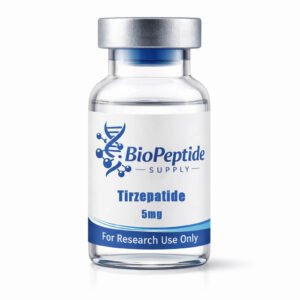
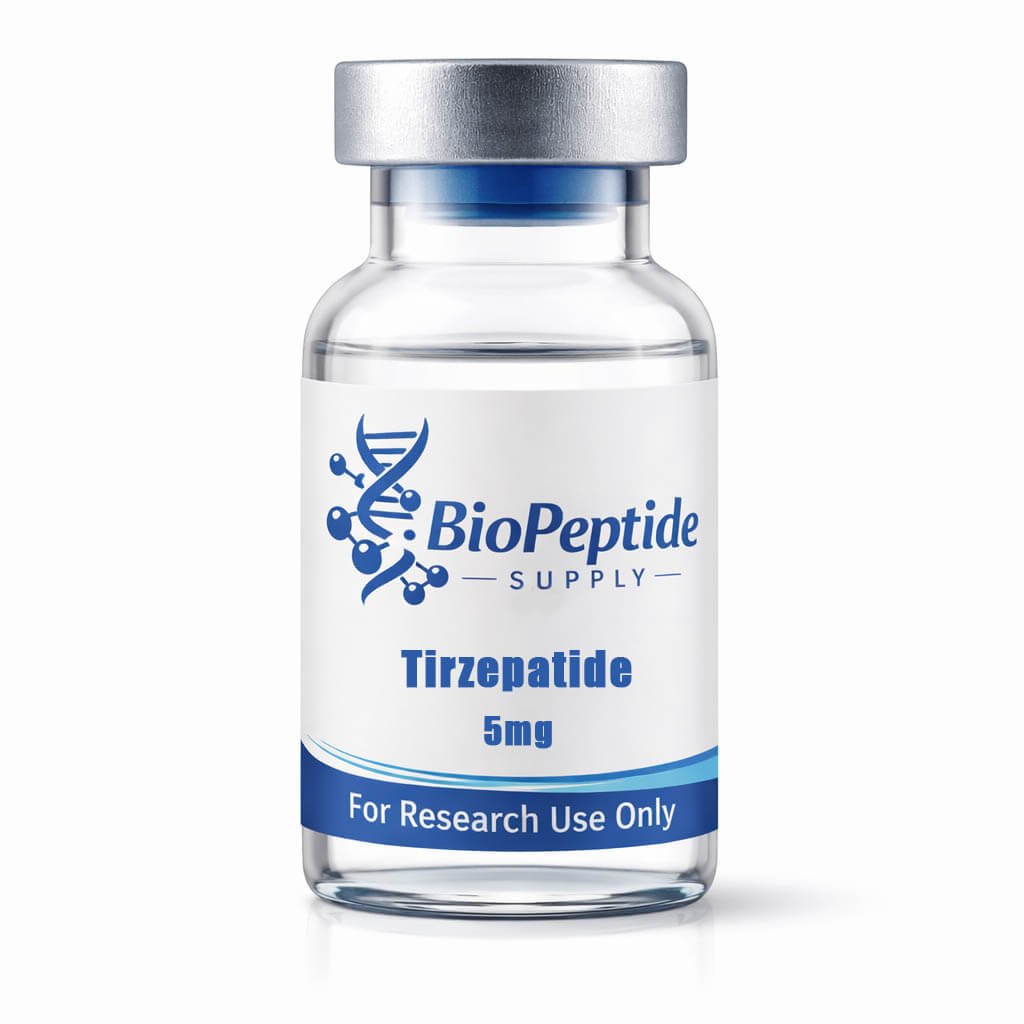
Tirzepatide 5mg – Dual GIP and GLP-1 Receptor Agonist for Advanced Metabolic Research
Overview and Scientific Background
Tirzepatide 5mg is a clinically relevant dose format of a first-in-class dual incretin receptor agonist developed by Eli Lilly and Company. Unlike single-pathway GLP-1 therapies, tirzepatide activates both glucose-dependent insulinotropic polypeptide (GIP) and glucagon-like peptide-1 (GLP-1) receptors, creating a synergistic effect on metabolic regulation.
This dual mechanism is significant in metabolic science because GIP influences insulin secretion and fat metabolism, while GLP-1 regulates appetite, gastric emptying, and glucose homeostasis. Together, they create a broader and more potent metabolic response compared to GLP-1-only agents.
Real-World Clinical Evidence and Outcomes
Tirzepatide has been extensively evaluated in the SURPASS and SURMOUNT clinical trial programs. In SURMOUNT-1, participants without diabetes receiving tirzepatide achieved average weight reductions ranging from approximately 15% to over 20% depending on dose and duration of treatment. These results exceeded many earlier pharmacological benchmarks for obesity management.
In type 2 diabetes studies (SURPASS trials), tirzepatide demonstrated:
- Significant HbA1c reductions (often >1.5% to 2.0%)
- Improved fasting glucose levels
- Substantial weight loss across dose groups
- Enhanced insulin sensitivity and beta-cell function markers
These findings position tirzepatide as one of the most effective metabolic agents currently studied in clinical research.
Mechanism of Action
Tirzepatide works through dual incretin receptor activation:
- GLP-1 receptor activation: Reduces appetite, slows gastric emptying, and enhances insulin secretion
- GIP receptor activation: Improves insulin response and influences lipid metabolism
- Combined effect: Enhances satiety, reduces caloric intake, and improves overall metabolic efficiency
This dual-action profile is a major advancement over single-pathway GLP-1 therapies.
Metabolic and Research Relevance (5mg Format)
The 5mg dose is widely recognized in clinical titration protocols and serves as a key midpoint in dose-response evaluation. In research settings, it is used to study:
- Balanced incretin receptor activation (GIP + GLP-1)
- Early-to-mid phase metabolic response patterns
- Appetite suppression and caloric intake reduction thresholds
- Glycemic control dynamics in controlled models
This makes it particularly valuable for comparative studies against GLP-1-only compounds.
Pharmacokinetics and Biological Activity
Tirzepatide has a long half-life of approximately 5 days, allowing once-weekly exposure in clinical and research settings. This sustained activity supports consistent receptor stimulation and stable metabolic outcomes over time.
Its dual receptor activity contributes to:
- Prolonged satiety signaling
- Improved post-meal glucose regulation
- Gradual and sustained weight reduction effects
Why Tirzepatide 5mg Is Important in Research
Tirzepatide 5mg provides a scientifically important reference point in incretin-based research. It allows investigators to evaluate how dual receptor agonism compares to GLP-1 monotherapy in real metabolic conditions.
Key research interests include:
- Synergistic hormone signaling effects
- Comparative efficacy vs GLP-1-only agents
- Dose-dependent metabolic adaptation
- Long-term energy balance regulation
Usage Guidance
Tirzepatide 5mg is intended strictly for controlled laboratory and scientific research use. All experimental design, dosing protocols, and administration schedules must be determined by qualified researchers in appropriate research environments.
FAQs
1. What is Tirzepatide 5mg used for in research?
It is used to study dual GIP and GLP-1 receptor activation and metabolic effects.
2. How is tirzepatide different from semaglutide?
It activates both GIP and GLP-1 receptors, while semaglutide targets only GLP-1.
3. What do clinical trials show about tirzepatide?
SURMOUNT-1 showed up to 15–20%+ weight loss depending on dose.
4. Does tirzepatide affect blood sugar?
Yes, it significantly improves HbA1c and fasting glucose levels.
5. How does it reduce appetite?
It enhances satiety signaling through GLP-1 and GIP pathways.
6. How long does it stay active?
It has a half-life of about 5 days.
7. Why is the 5mg dose important?
It is a key titration and mid-range reference point in clinical studies.
8. Is tirzepatide widely researched?
Yes, especially in obesity and type 2 diabetes clinical trials.
9. What systems does it affect?
Endocrine, metabolic, and central appetite regulation systems.
10. What research fields use tirzepatide?
Obesity, diabetes, metabolic syndrome, and energy balance research.
Disclaimer
All products listed are intended strictly for research purposes only. They are not approved for human consumption, medical use, or therapeutic application. Use must comply with all applicable laws and regulations.